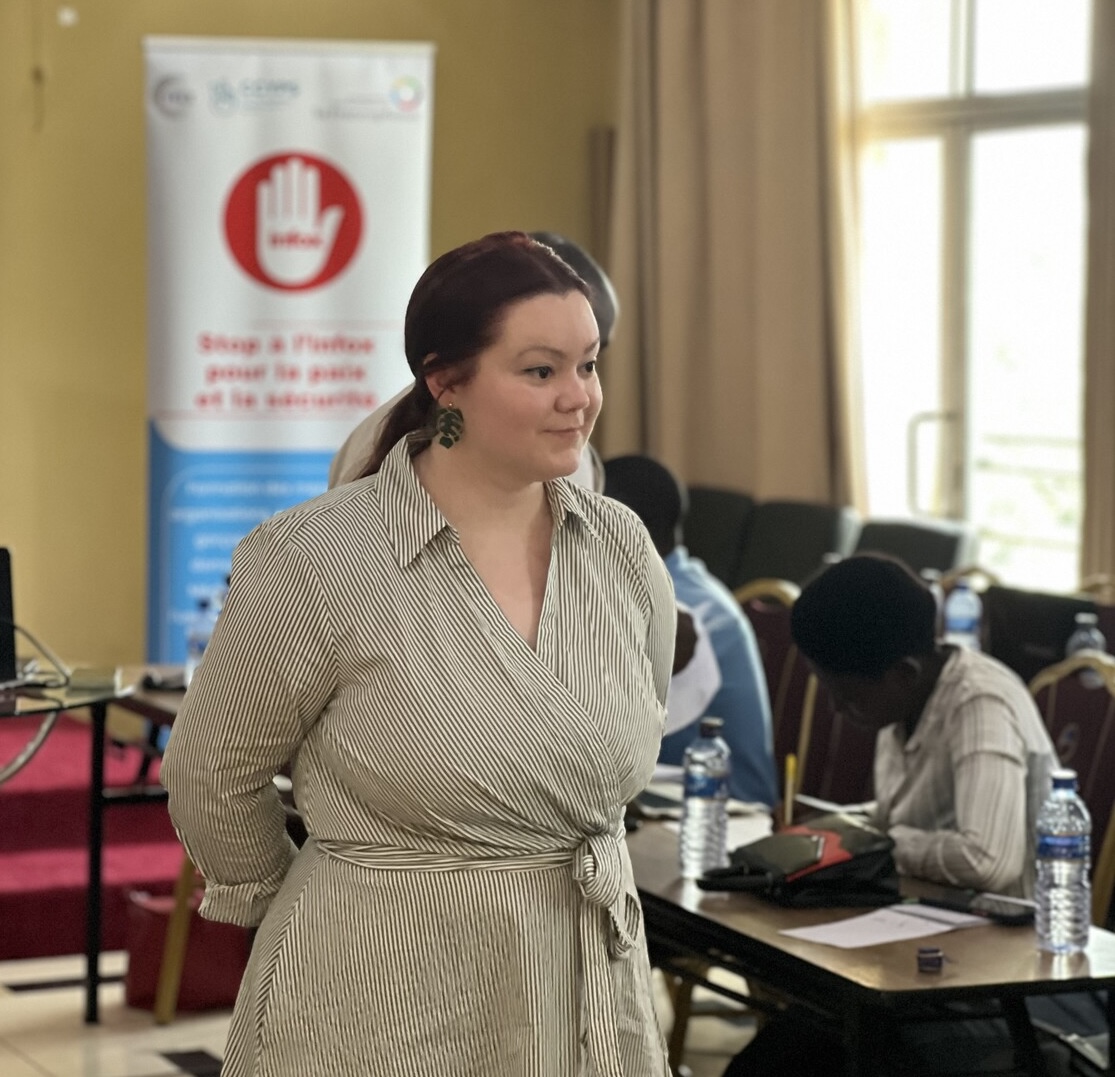
Katrina Leclerc is a peacebuilding expert, researcher, and policy advisor known for her work in advancing inclusive approaches to global peace and security. Her research and practice focus on the intersection of the United Nations' Women, Peace and Security (WPS) and Youth, Peace and Security (YPS) agendas, emphasising the meaningful participation of women and youth in peacebuilding and policymaking. She is also a consultant with Investing and Partnering with Youth for Peace (IPYP), contributing to initiatives that promote youth leadership and participation in peace efforts.
When we think about investing for impact, terms like sustainability, innovation, and resilience tend to dominate the conversation. Yet one of the most transformative, and often overlooked, investment opportunities sits at the intersection of youth leadership and peacebuilding. Around the world, young people are working at the frontlines of conflict prevention and recovery, rebuilding fractured communities, and reimagining systems that centre justice and inclusion. Over the past decade, I’ve worked with young peacebuilders from across continents, some mediating local disputes in rural towns, others coordinating national campaigns for justice, all with limited resources but enormous impact. What they often lack is not vision— but resources. That’s where the concept of Youth Peace Finance comes in.
A new guide developed by Investing and Partnering with Youth for Peace (IPYP), in collaboration with Finance for Peace (F4P), an initiative incubated by Interpeace, aims to provide tools to invest in peace more meaningfully. This investor-focused guidemakes a bold but essential argument: if we want sustainable peace, we need to invest in the people who are already building it—and that means supporting youth.
Youth Peace Finance (YPF) is not just another funding mechanism. It’s a shift in mindset. At its core, YPF refers to financial investments that directly support peace outcomes by enabling young people’s leadership. It recognises youth as strategic actors—aligned with the UN’s Youth, Peace and Security resolutions—who are not only affected by conflict but also uniquely positioned to resolve it. From leading local reconciliation efforts to mobilising communities through creative organising, youth peacebuilders are already doing the work. I’ve spoken with young organisers in the Democratic Republic of Congo (DRC), India, and Syria who described how even small, flexible funding allowed them to train dozens of peers and prevent escalation in their communities. The problem is, they are often doing it without sustained, flexible funding.
The guide defines YPF as financing that positively impacts both young people and peace outcomes through principles of inclusion, co-creation, and agency, recognising youth not just as beneficiaries, but as active partners in shaping investments. It argues that investing in youth-led peace efforts is not just ethically necessary, but also a smart, forward-looking strategy that can reduce long-term risk and contribute to global stability.
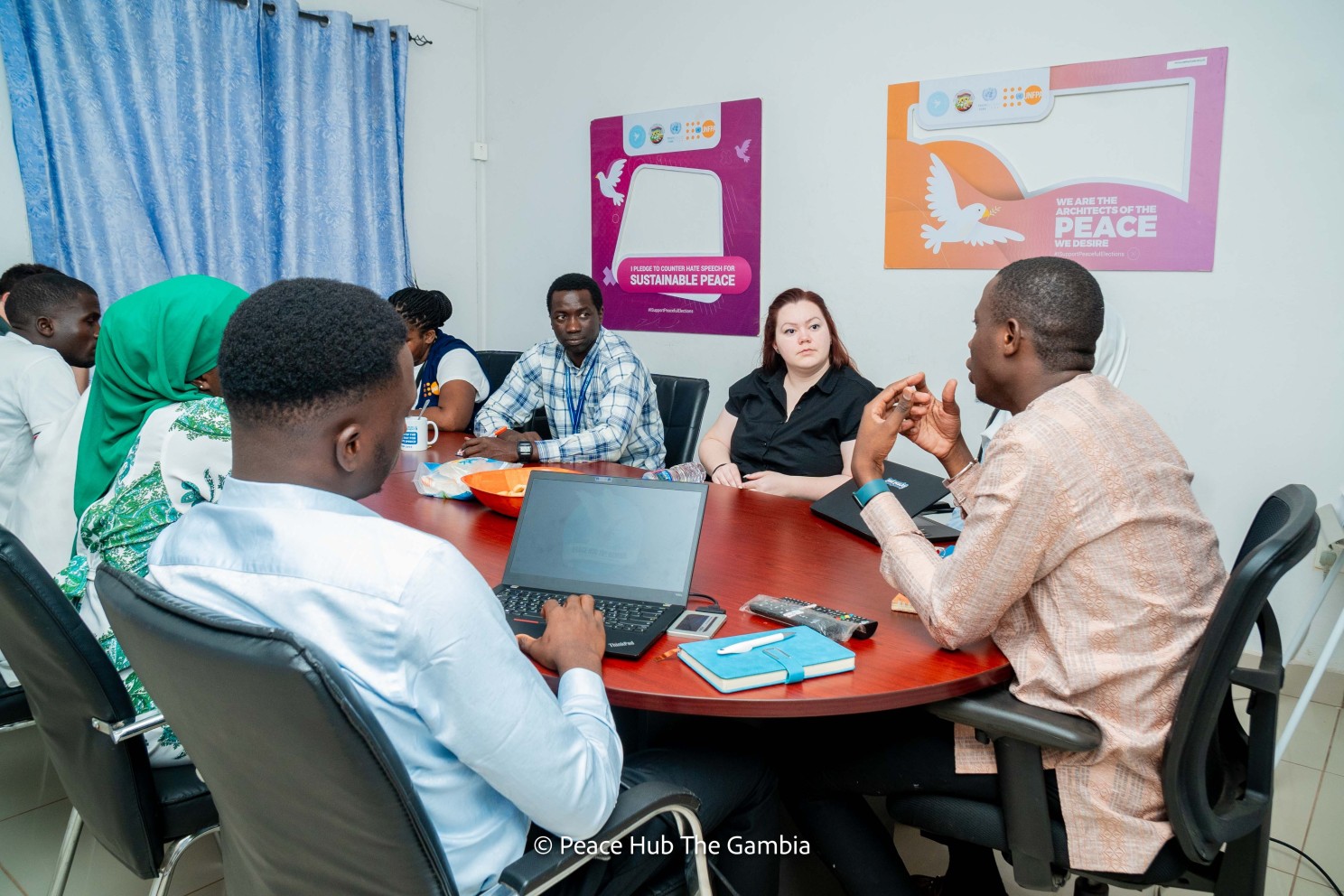
The Investor Guide is not a typical technical manual. It was co-created with youth peacebuilders across Africa, Asia, the Middle East, and Latin America through a participatory process grounded in lived experience. One young activist from Latin America told us that donor expectations for immediate impact often clashed with the slow, relational work of building peace. Her words stayed with me as we shaped this guidance. It brings together insights from fieldwork, regional consultations, and case studies, drawing clear lines between what young people are asking for and how investors can meet those needs.
At the heart of the guide are ten principles, ranging from inclusivity and adaptability to conflict sensitivity and accountability. These principles do not just outline why youth should be included in peacebuilding—they offer concrete strategies for how that inclusion can take shape. They guide investors to rethink traditional top-down approaches and instead build meaningful partnerships that centre youth from the start.
Too often, youth-led initiatives are framed as high-risk or underdeveloped. However, the guide challenges this view, encouraging investors to see youth not as liabilities, but as assets. Young people bring unique insight into the root causes of instability, and their proximity to the issues allows them to identify locally grounded solutions that may not be visible to larger actors.
In Sudan, a young peacebuilder explained how their team had been mobilising youth across political lines to reopen a contested road—something international actors had failed to do for over a decade. Their success came not from institutional power, but from trust within the community.
This goes beyond theory. Case studies from Colombia, Liberia, and Ukraine illustrate how youth-led initiatives—when properly supported—contribute to long-term peace, economic inclusion, and social cohesion. These examples show that when youth are included in governance, co-design, and monitoring processes, the results are more sustainable, more legitimate, and more impactful.
One of the most useful aspects of the guidance is its ability to bridge sectors. It speaks both to investors unfamiliar with the peacebuilding space and to youth-led groups trying to navigate complex funding ecosystems. In doing so, it creates a shared language—one that connects the priorities of youth leaders with the practices and expectations of financial institutions.
This makes the guidance not just a resource for investors, but a tool for youth peacebuilders themselves. It equips them to advocate for better funding models, more equitable partnerships, and meaningful inclusion in spaces where decisions are made. I’ve already seen youth-led groups reference the principles outlined in the guide in proposals and meetings, using it to make their asks clearer and harder to ignore. By aligning their work with globally recognised principles, youth-led groups can strengthen their credibility as strategic partners.
The message of the Investors’ Guide is clear: if we are serious about building peaceful, just, and inclusive societies, then we need to invest in the leadership of young people who are already doing that work—often with little or no support. This is not a matter of goodwill. It is a matter of strategy, scale, and long-term impact.
Whether you are part of a philanthropic institution, a multilateral fund, a private equity firm, or a grassroots network, this guidance offers something important: a practical roadmap for aligning investments with peace and justice. And more importantly, a reminder that youth are not waiting to lead—they already are.
This blog post was written by Katrina Leclerc, consultant for Investing and Partnering with Youth for Peace (IPYP), and coordinated by the Dag Hammarskjöld Foundation with the support of Interpeace.